What the Trees Can Teach Us About Nourishment
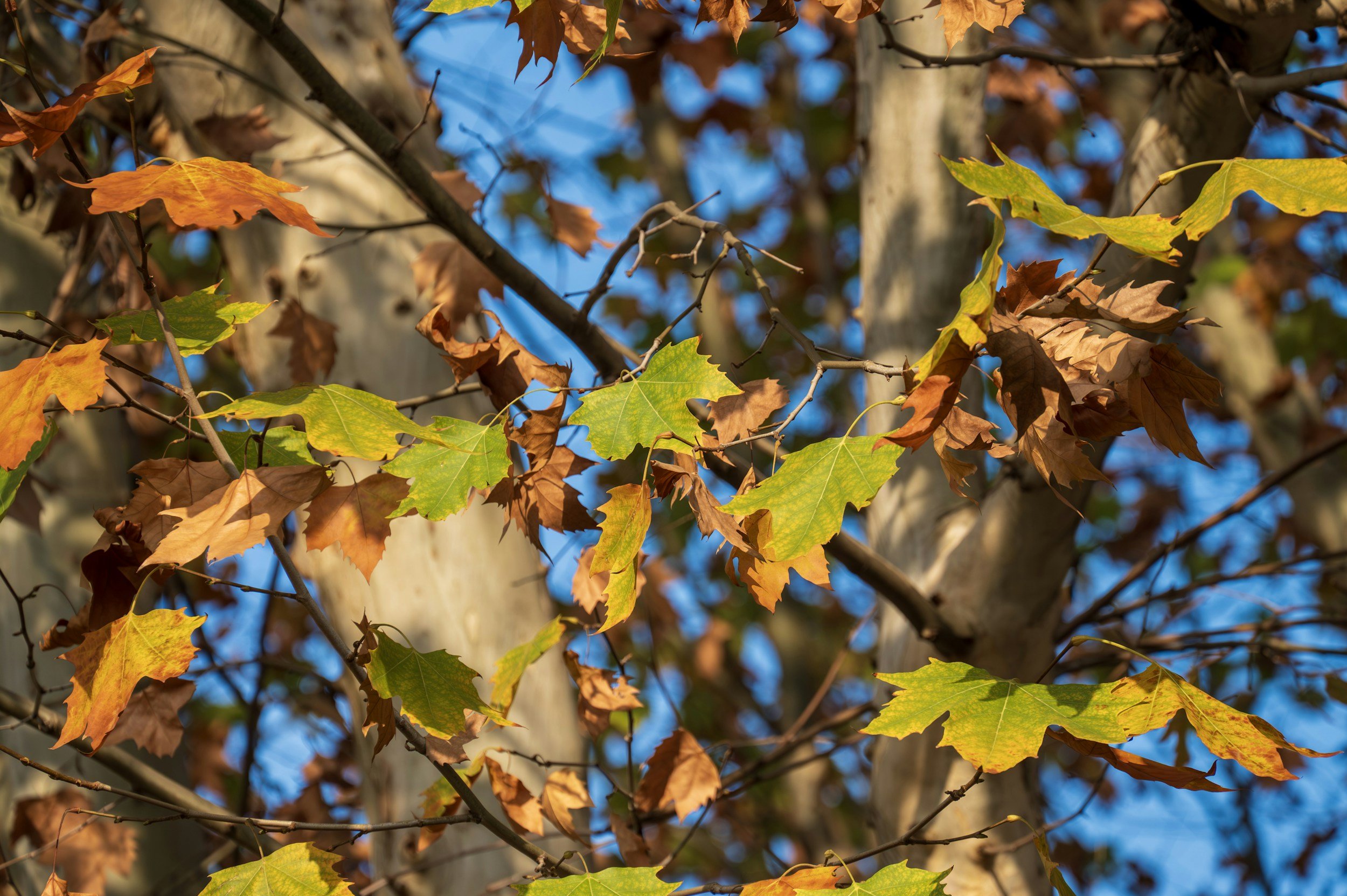
Have you ever really watched a tree prepare for winter?
It doesn't happen overnight.
Throughout the fall, the transformation is slow and deliberate. As the days grow shorter and the temperatures drop, deciduous trees begin shifting into an energy-saving phase. They stop producing chlorophyll, the green pigment that has dominated their leaves all summer, allowing the yellows, oranges, and reds that were there all along to finally reveal themselves.
But the tree isn't simply losing its leaves.
It's reclaiming.
Before a leaf falls, the tree begins pulling valuable nutrients back into its branches and roots—resources it will store and draw upon through the winter. At the same time, a special layer of cells develops where the leaf meets the branch. The connection gradually weakens until, eventually, the leaf lets go.
And then there's the scar.
Where the leaf once grew, nourished the tree, and eventually released itself, a small mark remains.
I find that incredibly beautiful.
The tree doesn't fight the changing season. It doesn't try to hold onto what has served its purpose. It doesn't rush the process.
It conserves. Reclaims. Releases. Rests.
And I can't help but wonder: what would happen if we approached our own nutrition with a little more of that wisdom?
Fall naturally invites us to shift.
We're moving away from the lightness of summer—salads, berries, cold foods, long days, and spontaneous activity—and toward warmer, more grounding foods. Root vegetables, winter squash, cooked greens, soups, stews, whole grains, beans, and nourishing proteins begin to sound a little more appealing.
Maybe this isn't something we need to force.
Maybe it's simply an opportunity to listen.
Our modern lives don't necessarily follow the rhythms of the natural world. We have food available year-round. We have artificial light long after the sun goes down. We can stay busy, productive, and stimulated through every season.
But our bodies still experience the changing environment around us.
And for women, especially during the hormonal shifts of perimenopause and menopause, those seasonal changes can sometimes feel even more noticeable. Energy, sleep, appetite, temperature regulation, mood, and recovery can all become moving targets.
So rather than fighting the season—or fighting our changing bodies—what if we became a little more tree-like?
What if fall became a time to gather nourishment rather than restrict it?
To choose foods that are deeply nourishing and satisfying.
To prioritize protein, fiber, minerals, healthy fats, and plenty of colorful plants.
To make meals warmer, slower, and more grounding.
To notice when our bodies are asking for more rest.
And perhaps most importantly, to recognize that letting go is also part of nourishment.
Nature doesn't cling to summer.
The tree doesn't see its changing leaves as a failure. It understands that the season has changed, and its job is to adapt.
Maybe we can do the same.
This fall, instead of asking, “What should I cut out?” perhaps we can ask:
What can I nourish?
What can I reclaim?
What can I let go of?
And what do I need to carry with me into the next season?
There is wisdom in the way the trees prepare. We just have to slow down enough to notice it.