Which Hungry are you?
It’s happened again. You’re hungry. You want to eat something…. but ever wonder what is underneath that is causing that feeling?
Maybe you smelled a waffle riding up the lift after ripping the runs on a ski mountain. Maybe you just got home from work to an empty house and wander over to the familiar pantry to find something. Maybe its a birthday party and there’s a platter of snacks laid out and you don’t want to seem rude. Perhaps you just want something tasty, something crunchy, something sweet, something rich, something nourishing. something to make us feel better, something to make us feel anything.
Truth is, there exists a myriad of reasons why your inner yearnings make themselves apparent. And its my belief that when we aquatint ourselves with the reasons why we may be feeling hungry, we have power. We have control and can choose more appropriately for our greater version of ourself.
First there’s Physical Hunger, aka Homeostatic hunger - This is the hunger triggered by hormones. Those little chemical messengers that live in the body and respond to all sorts of stimuli. For the most part, it comes from a genuine need for nutrients.
Insulin is the main hormone that regulates your overall weight homeostasis. Generally insulin suppresses appetite by acting as a satiety signal to the hypothalamus, it says “nutrient availability is high, decrease food intake.” It also works on your body tissues to pull glucose out of the blood stream and store them for later use. It gets tricky when the body experiences as rapid increases in insulin—such as after a high-carbohydrate meals —can cause blood sugar crashes, leading to increased hunger, particularly cravings for fats and carbohydrates.”
How Insulin Affects Appetite:
Central Satiety Signal: Insulin crosses the blood-brain barrier and acts on the hypothalamus to inhibit NPY/AgRP neurons, which are responsible for promoting hunger.
Post-Meal Satiety: Following a meal, rising insulin levels signal to the brain that the body has sufficient energy, reducing the drive to eat.
Hypoglycemic Hunger: If insulin causes blood sugar to drop too low (hypoglycemia), it triggers intense hunger as the brain demands more energy, often leading to increased food intake.
Craving Regulation: Insulin influences the activity of galanin, a protein that increases cravings for fat and sugar. High insulin levels can promote cravings, while stable levels help regulate them.
Insulin Resistance: In conditions like obesity, insulin resistance can prevent insulin from properly signaling satiety, causing the brain to behave as if it is starving, which increases appetite.
Ghrelin (boosts appetite) - Produced in the stomach signaling hunger. It also acts on the brain's reward center (amygdala), making you want to eat more.
Leptin (supressing appetite) - Released by fat cells to signal the brain that the body has sufficient energy stores, lowering hunger.
Peptide YY (PYY) Released by intestines after eating to signal fullness.
Cholecystokinin (CCK): Released by the gut during meals to suppress hunger.
GLP-1: Produced in the gut, released after eating to signal fullness.
Emotional Hunger, aka Hedonic Hunger - Hunger derived by a want for pleasure rather than a need to eat. This is also the hunger that surfaces when stressed or bored. You can think of it as the “craving hunger”. Especially when its for a sweet dessert. Examples include eating when bored, craving sweets (like donuts or chocolate) for a dopamine boost, mindless grazing, or having "room for dessert" despite being full. Binge eating
Environmental Hunger, aka Conditioned Hunger or Social Hunger - This is the habit hunger driven by our routines, external cues and societal norms. It is the hunger that humans been have conditioned to eat. Like Pavlov’s dog, when we hear a bell, we salivate our hunger. It’s the birthday cake during the office party, the tailgating for a football game, apre’s when skiing, “America runs on Duncan,” the funerals, graduations, holidays and every other moment we take in food not for purpose but for “celebration.”
That’s food noise in our brains.
Seems simple enough but what’s happening is a lot of noise for our brains to sift thought. And there is another force at play in our world that muck these simple distinctions.
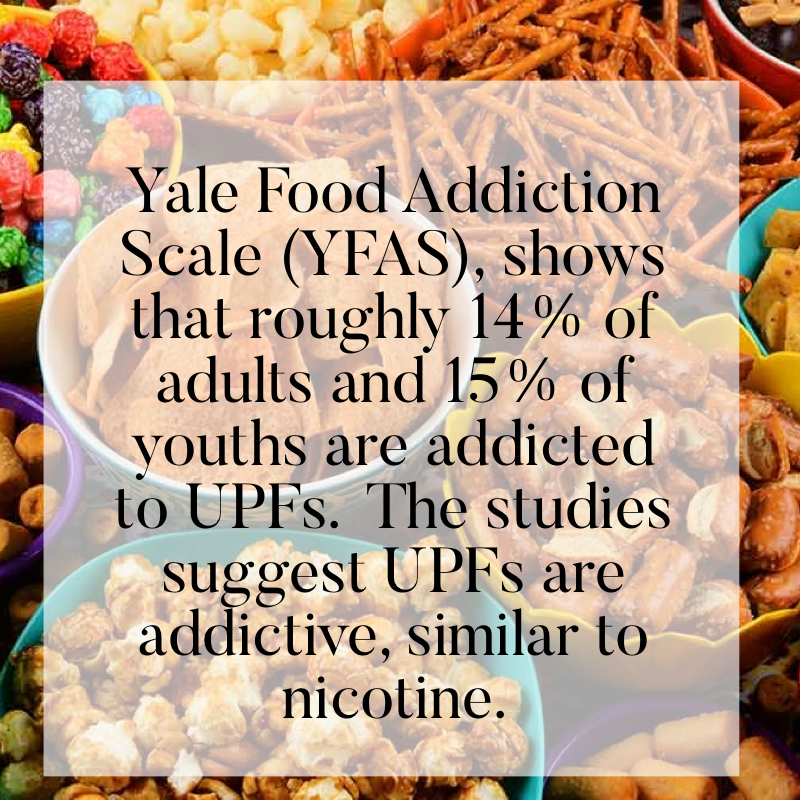
For one, our food industry does this thing and produces ultra-processed foods that are hyper palpable though the addition of added fats, refined carbohydrates and salt[s], making flavor explosions every time one bites into its manufactured goodness. They tinker with the recipes to create a symphony of chemicals that stimulate dopamine in your brain so it becomes pleasurable to eat. Even when you know it’s bad, there is a subconscious pull to consuming these foods. In fact, “Released industry documents have revealed that the same tobacco industry leaders admitted to applying the techniques used to enhance the addictive properties of tobacco products to the development of UPFs (e.g., use of additives to enhance flavor, texture, and visual appeal) in order to maximize profits [s].“ Whats worse is. that UPF make up 60% of the average Americans childs diet, 50% for american adults [s].
So it would be hedonic hunger that these ultra-processed foods (UPFs) fall under, we’re eating them for “pleasure” but this could also be classified as addiction. With addition to substances there is whole different tool box you need to use, especially when deal with our basic human need to eat to survive. This is why people struggle so much with hunger when they are addicted to the foods that they’re consuming. To put a cherry on the issue, we have hyper-stimulated and overly stressed out humans… no amount of willpower can stand up to it .
If someone is addicted to something you can’t just say “everything in moderation,” there’s no filter for that, there is no way someone is smoking one drag of a cigarette. We need to have a higher sense of awareness when you go into situations where you know UPFs are going to be easily and readily available.
And big Pharma knows this. The five corporations that are running the world know this and that is why they’re on all of the shelves at the convenience stores and that is why they are so easily affordable.
Because they want you addicted. When you’re addicted you continuously buy it and when you continuously buy it they’re making the money.
They don’t care about you. They only care about your money and they want it. They don’t care what happens to you after.
The treatment is abstinence. Because if you have one bite…. will you be able to have just one? Oh isn’t that the Lay’s slogan.
So what do we do?
Recognizing the type of hunger you have gives you power to choose to do something about it. It’s giving yourself a level of awareness so you can use a tool over the appropriate form of hunger. ,
Food is fuel and also something we should enjoy. But it should be secondary, not what we should feel preoccupied with. Society and diet culture has vastly warped how we view food..
Should food addition be over burdening your mind, professional help offers wonderful treatment plans to help equip you with real tools you can gain to conbat those pesky shiny bags.
Tools that have helped me navigate my hunger
Don’t diet. Don’t restrict yourself, unless certain foods are causing inflammation then do stay away from them. Taking “confines” off the table gives a greater sense of freedom to your days.
Prioritize real, nutrient dense foods. Foods that are high in both Protein and Fiber. No one can over eat a steak or
Monitor yourself using a careful lens. Do some situations trigger hunger? Are you hungry at 2 or 3pm everyday?
Plan ahead for triggering situations. Know you’re going to a party, eat something you’d choose to eat prior to going to prevent temptations that damage your health and wellness goals.
Have your nutrient levels checked. Some nutrient deficiencies can trigger your body to feel hungry. Manly those essential amino acids that are found in Proteins, Fiber, Vitamins (like B1 & B3), minerals (like zinc), and dehydration can all trigger your body to ask for help [s].
Stay connected, to yourself and to your community. Feeling connected to something greater than yourself stimulates oxytocin, the feel good hormone . When you feel good in your body, you are less likely to substitute good feelings with food.
What about being Hangry?
When your so hungry you are angry. Or rather, when your plummeting blood sugar triggers your stress responses and you become short tempered and
The term Hangry was coined by “naturopathic doctor and functional medicine physician Dr. Brooke Kalanick and PCOS recoverer Sarah Fragoso. I was first aquainted with there work back in May 2019 after listening to my favorite podcast, The Model Health Show Overcoming Our Secret Stressors & How To Stop Being Hangry. They share how our metabolism is ultimately controlled by our hormones and how our minds (the levels of stress we have) controls those hormones. When our cortisol (biggest stress response hormone) is erratic, our hunger becomes erratic. And when stress becomes chronic, your adrenals glands become fatigued and the result is you feeling like crap most the time.
When we are stressed, cortisol and adrenaline are the first responders in time of danger. They send a cascade of responses like rising blood glucose and vasodilation to prepare for a fight. This response happens whether we choose to have it happen or not, its automatic, like blinking. When the body sense a threat, any sorta threat, traffic, muddy roads, kids screaming, bills to pay, your wrinkles when you look in the mirror, a flight or fight response to release cortisol and adrenaline into our system ensues. Which is by design, if our ancestor humans didn’t flee away from predators, would we even be here? We adapted to survive. Problem today human is facing is to much stress and not enough time to adequately adapt. We are in a constant ON state, where these hormones flood our system, even when we are in no immediate danger. A body in constant stress leads to a state of hypervigilance and becomes a huge problem, and knock us “off” hormomal balance.
Too compound issues, many of our food substances stimulate an insulin response. Insulin is our, bring blood sugar levels back to normal, hormone. It works on our muscles and fat cells to store glucose in tissues and save it for when cortisol needs it.
To think simply, cortisol is a catabolic (break it down) hormone and insulin is a anabolic (storage it) hormone. So when we consume foods that spike insulin and
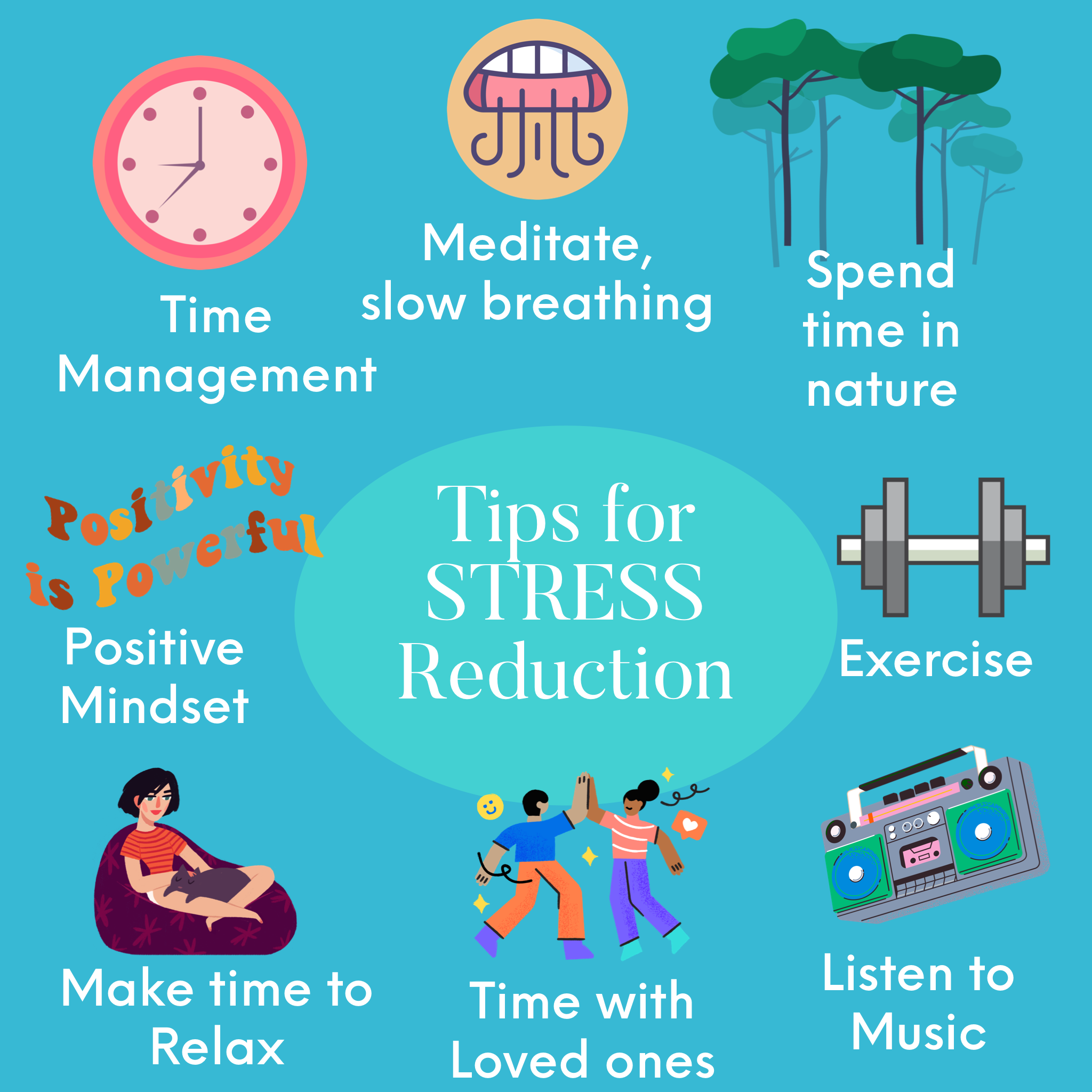
What needs to happen is we need to reduce stress so cortisol levels can drop and the adrenals, heart, lungs and brain can return to their usual functioning levels. So make that the priority over your calorie counting. Carve out time each day to actively decompress and destress. Take a fitness class or just stretch at home. Practice some deep breathing techniques or medicate, try to get enough sleep by going to bed earlier. Spend some time in nature or at least outside. Bonus if you get to see the sunrise as it will help reset your circadian rhythms. Journal about some things you are grateful for or maybe some positive affirmations to get your mindset swinging upwards. Turn on a great song or curl up with a good book. And for Christ Sake, give yourself permission to relax and stop shoulding yourself to death. You don’t need to earn a break, you deserve it just by being alive.
Should you be wanting to reduce your consumption of insulin spiking foods, you’ll need some tools to help you on your way. At least that is what helps me every time I catch myself fallen into the bellows of sugars illustrious glow. But that’s all sugar does, look shiny and nice. Okay its does make things taste nice too but are the after effects worth it? When you know it is the cause for your short-tempered ness? When you know its making you sleep poorly? When you realize its why you have acne and skin troubles? Why your belly can’t shrink despite all the ab workouts and hours spent burning your calories away.
Tools that Help Kick Sugar:
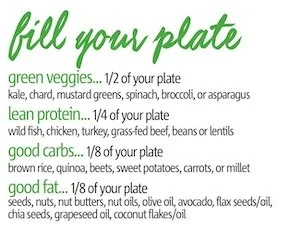
Having easy, protein & fiber rich snacks available for when sugar cravings hit. My go-to’s are protein balls, meat sticks, dried chickpeas, a handful of nuts,
Have a low sugar, nutrient dense Protein Shake.
Skip the snack and make yourself something more filling like a meal. Protein should be the star attraction then I like to do 2 veggies on the side.
Take a walk outside or ground myself into the present moment (5 long slow breaths focusing on my 5 senses). Often cravings for me are a need to feel something so when I get present with myself I can allow the feelings to happen vs distracting myself with munching.