Mobility Is More Than Stretching: It's the Freedom to Live Your Life
When people hear the word mobility, they usually think of stretching.
Maybe they picture someone sitting in the splits or touching their toes.
Technically, mobility is defined as the ability to move freely and easily.
But to me, mobility is so much more than that.
Mobility is getting down on the floor to play with your kids. It's crawling through the blanket fort, climbing the playground stairs, and sliding down the fire pole because your little one begged you to come along. It's reaching under the bed for that long-lost sock and standing back up without grunting or wondering if your back is going to "go out." It's hiking your favorite trail, tending your garden, dancing in your kitchen, carrying groceries, or kneeling beside your dog without giving it a second thought.
Mobility is the freedom to express yourself through your body.
Without pain.
Without fear.
Without your body limiting the life your heart wants to live.
I believe that feeling alive in your body is one of the greatest gifts we've been given. It's our privilege to care for this incredible body we've been entrusted with.
Your Body Was Designed to Adapt
Anyone who has gone through an injury knows how frustrating the rehabilitation process can be.
I've been there (more than I’m happy to admit)
Pain has a way of shrinking your world. It changes how you move, what you avoid, and sometimes even how you think about yourself.
But here's something incredible:
The human body is constantly adapting.
Every single day, your body is repairing tissue, laying down new cells, learning new movement patterns, and responding to the demands you place upon it.
Some days the changes are obvious.
Other days they're so small you barely notice them.
But over weeks, months, and years, those tiny adaptations become your new normal.
That's one of the greatest miracles of being human.
Don't Stop at Rehabilitation
One of the hardest things I see isn't injury itself. It's when people stop believing their body is capable of improving.
Sometimes we become so accustomed to our limitations that we stop questioning them.
"I guess I'll never touch my toes again."
"I just can't get up from the floor anymore."
"My knees are bad."
"My back is shot."
Now, there are certainly injuries, surgeries, and medical conditions that permanently change what our bodies can do. We should honor those realities.
But there are also many people living inside limitations that have more to do with neglect than necessity.
Our culture has become accustomed to quick fixes. We want change to happen quickly, effortlessly, and without disrupting our busy lives.
Unfortunately, our bodies don't work that way. You are not an Amazon Prime package and do not change with next day delivery.
The body responds to consistency.
It responds to attention.
It responds to movement.
Building a body that moves well doesn't require hours in the gym or complicated workouts.
It simply asks for something.
A few minutes.
A little curiosity.
A willingness to keep showing up.
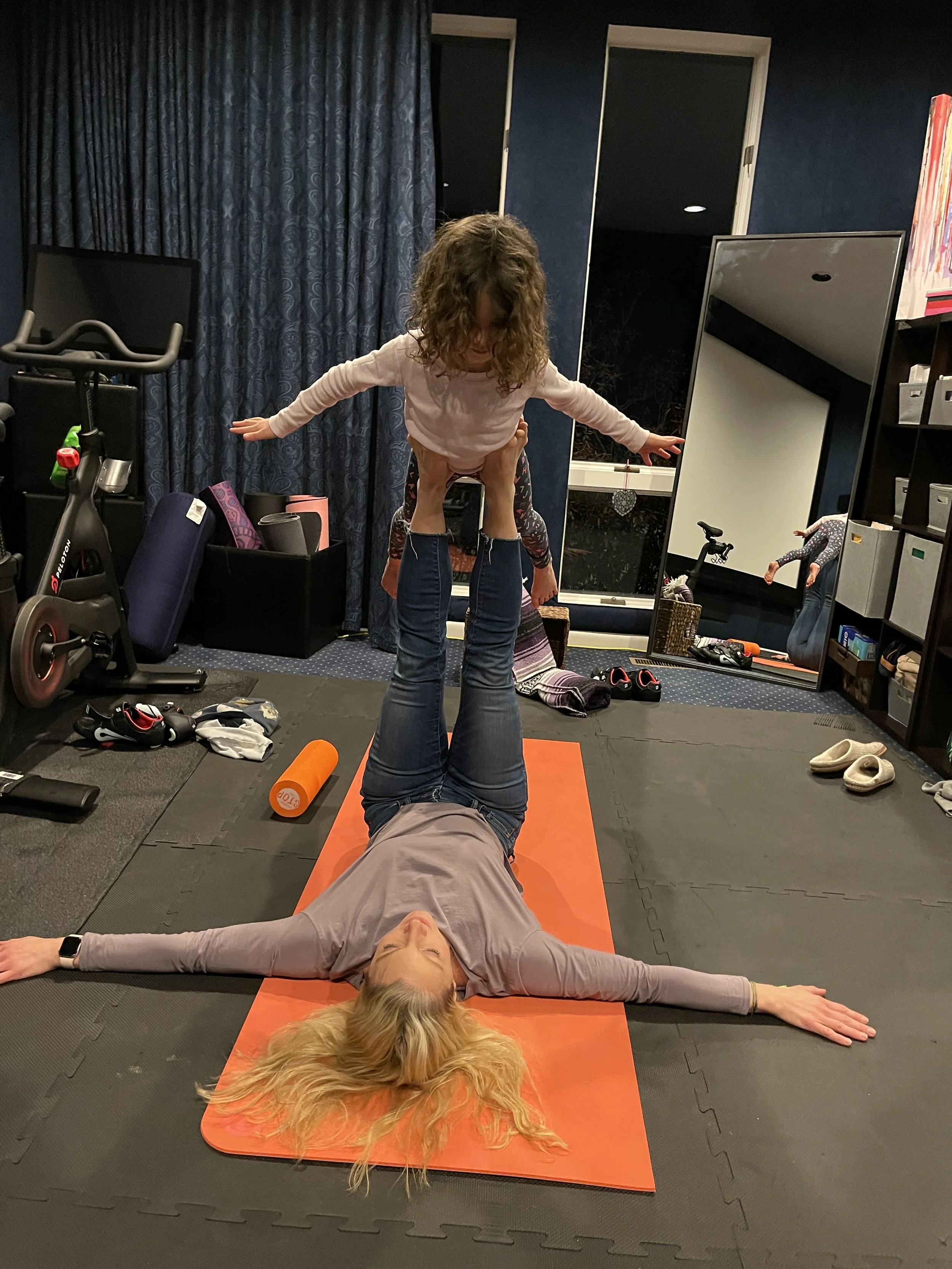
I Wanted to Be the Mom Who Played
Long before I became a trainer, I had a vision of the kind of mom I wanted to be.
I wanted to be the one who played. The one who ran through the yard. Climbed the playground. Sat cross-legged on the floor. Started the dance party.
And today, I get to do those things.
Not because I won some genetic lottery.
Because I invested in my body before I desperately needed it.
Every workout.
Every stretch.
Every walk.
Every mobility session.
That's sweat equity.
It's not about looking a certain way.
It's about earning the freedom to fully participate in your own life.
When you've experienced pain, you understand how extraordinary it feels when movement becomes effortless again.
A Simple Reminder
One of my clients came into class recently just two days after an eye surgery.
She told us how incredible it was to actually see again.
No blurry edges. No fuzzy vision. Everything looked crisp and clear.
And it made me think... So many people are living with blurry movement. Not because they need surgery, but because they've gradually accepted stiffness, tension, and restricted movement as normal.
Imagine if your body could begin feeling clearer, too.
Not overnight.
But little by little.
Four Simple Ways to Improve Your Mobility at Home
The beautiful thing about mobility is that you don't need expensive equipment or endless hours of free time. Small, consistent actions often create the biggest changes.
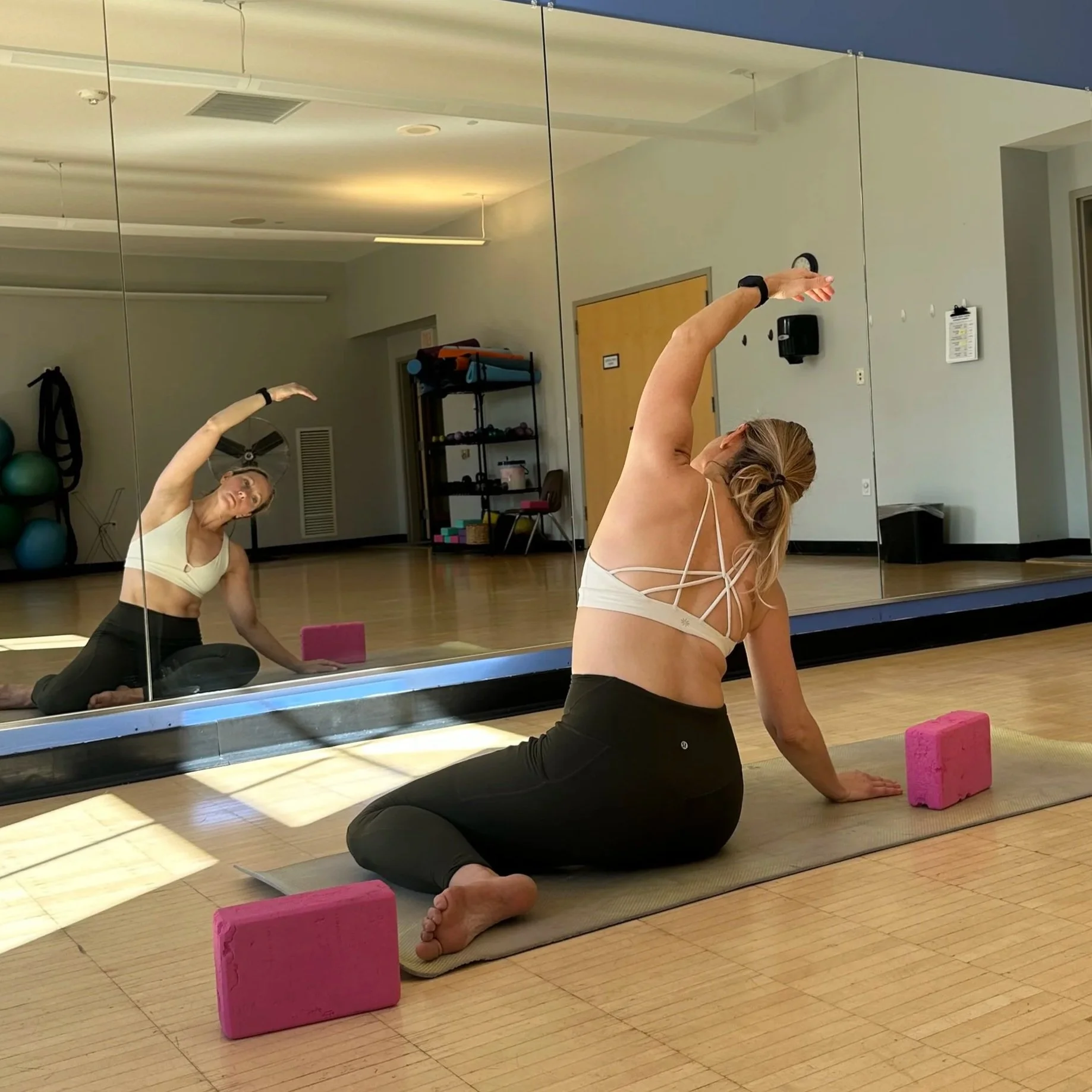
1. Spend Five Minutes Exploring
Instead of following a rigid stretching routine, simply get on the floor and move. Literally, just get down and sit on the floor.
As you’re down there, notice where you feel stiff.
Don’t wanna go down, no problem.
Reach overhead. How does that feel in your back and under your shoulders? What’s it like in your next.
Twist a little side to side.
Try to get up.
Squat. Sit. Stand.
Ask yourself, Where does my body feel restricted today?
Awareness is the first step toward change.
2. Breathe Into Tight Spaces
When you find an area that feels tight, don't force it.
Stay there.
Take slow, deep belly breaths.
Imagine sending fresh oxygen into those muscles.
As you exhale, invite that area to soften.
Your nervous system plays a huge role in flexibility. Often, your body needs to feel safe before it lets go of tension.
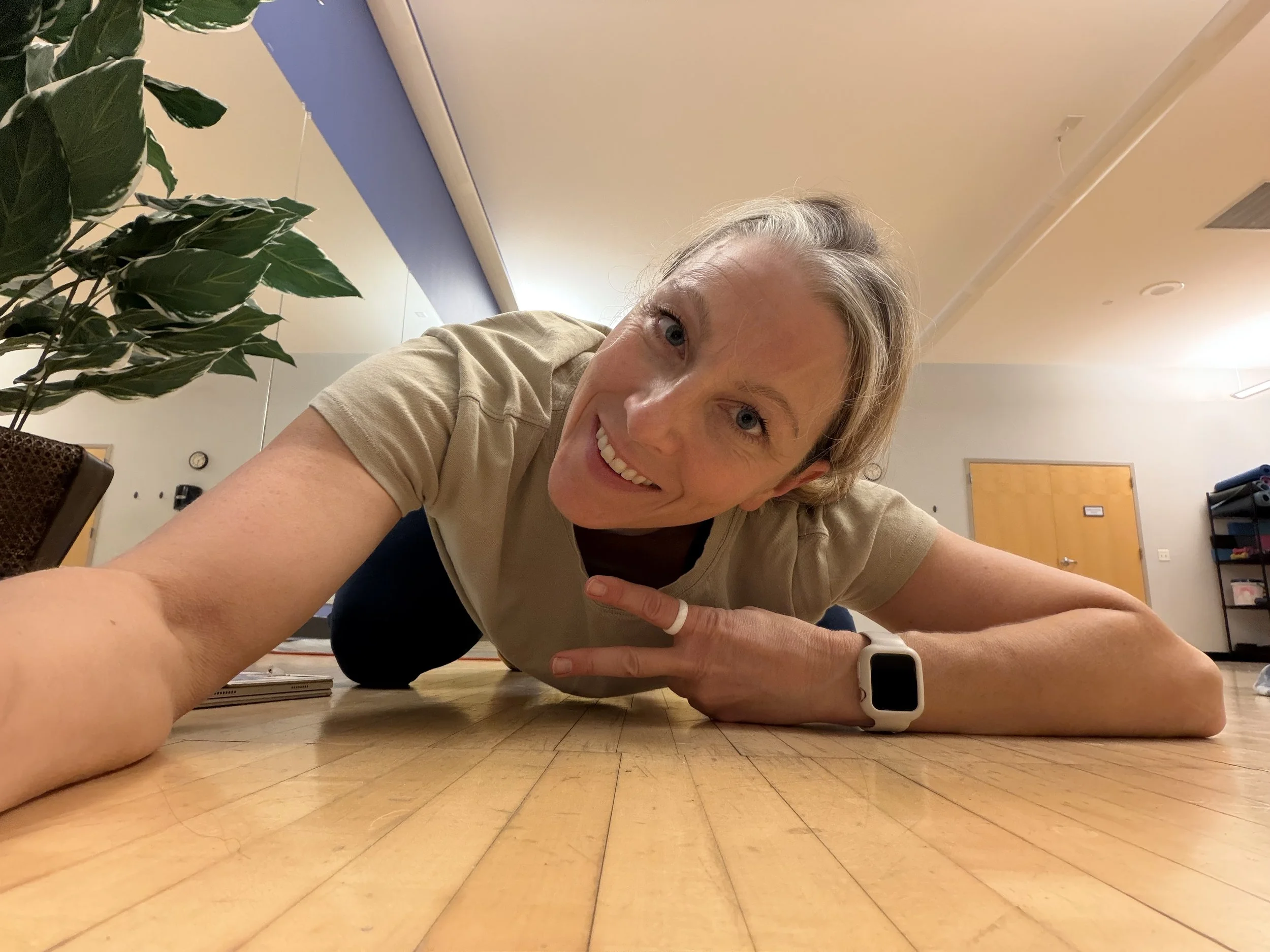
3. Sit on the Floor Every Day
Challenge yourself to spend 10–15 minutes each day sitting on the floor instead of the couch.
Change positions often.
Cross your legs.
Sit with one leg out.
Kneel.
Shift.
The simple act of getting down to—and back up from—the floor helps maintain strength, balance, hip mobility, and coordination.

4. Make Movement Part of Your Life
Mobility isn't just something you practice during a workout.
Walk barefoot on the grass.
Take the stairs over the elevator or escalator (unless its part of a game then go for it!)
Bend and reach in the Garden.
Dance a two step while making dinner.
Play tag with your kids.
Climb the rocks on your hike instead of walking around them.
Your body doesn't know the difference between "exercise" and "living." It simply responds to movement.
Your Body Is Listening
Every time you move with intention, you're sending your body a message.
"I haven't given up on you."
And more often than not, your body responds.
You don't have to become an athlete.
You don't have to become the most flexible person in the room.
You simply have to keep choosing movement.
Because mobility isn't about becoming someone else.
It's about preserving the freedom to continue being you—for years to come.
If you're ready to move with more freedom, reduce stiffness, and build a body that supports the life you want to live, I'd love to help. Whether you're just getting started, returning after an injury, or simply want to feel stronger and more capable, let's create a plan that meets you where you are and helps you keep moving forward. Message me for more